Why bees?
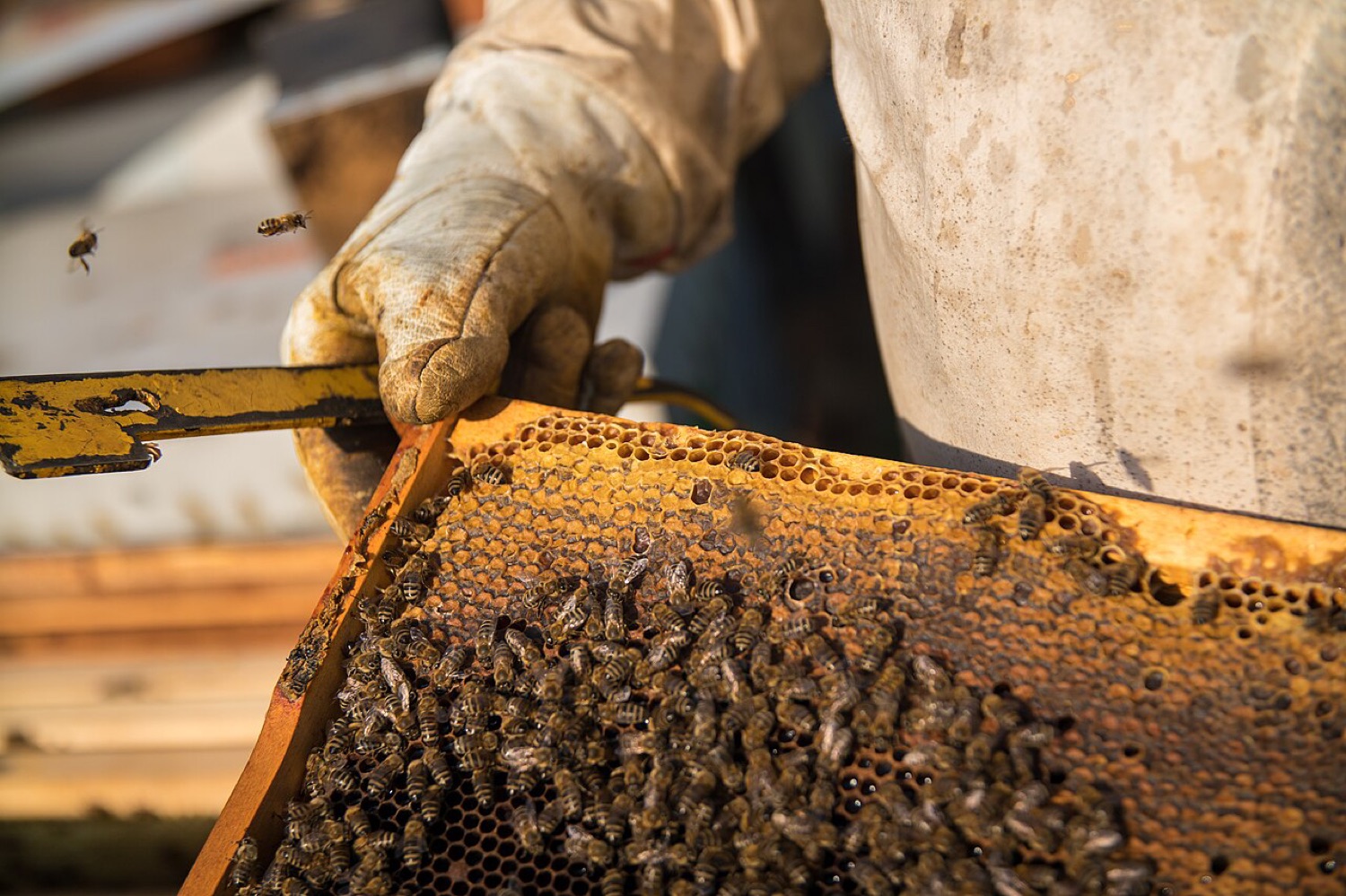
People often ask why a social media site has a honeycomb and a bee in its header. The answer is in the tagline: build a buzz around your brand.
The hive as a model
A beehive is one of nature's best examples of a busy, organised community. Every bee has a role and every role serves the colony. Worker bees feed the young, receive nectar, clean the hive, guard the entrance and fly out to forage. A good social media team works the same way: someone plans, someone creates, someone answers the community, someone watches the numbers, and everyone protects the brand's reputation.
The foragers are our favourite comparison. They go out into the world, find the best flowers and bring back what the hive needs. On social media, that is the outreach work: finding the conversations where your customers already are, joining them in a helpful way and bringing new people home.
Did you know?
- Honey bees are the only insects that produce a food people eat in large quantities.
- A strong colony in summer can contain tens of thousands of bees.
- Bees communicate the direction and distance of food with a "waggle dance", which is perhaps the original social network.
- Pollinators, including honey bees, help produce a large share of the fruits, vegetables and nuts we eat.
Honey bees need help
Honey bee colonies face pressure from parasites such as the varroa mite, diseases, pesticides and the loss of flowering habitat. You can help by planting pollinator-friendly flowers, avoiding unnecessary pesticides and buying from local beekeepers.
And if you came here for social media tips rather than bee facts, the hive is open: start with The buzz.